
பயணி சுகாதாரம்
இலங்கையில் ரேபிஸ் மற்றும் விலங்குக் கடிகள்
26 ஜன., 2026 · 6 நிமிட வாசிப்பு
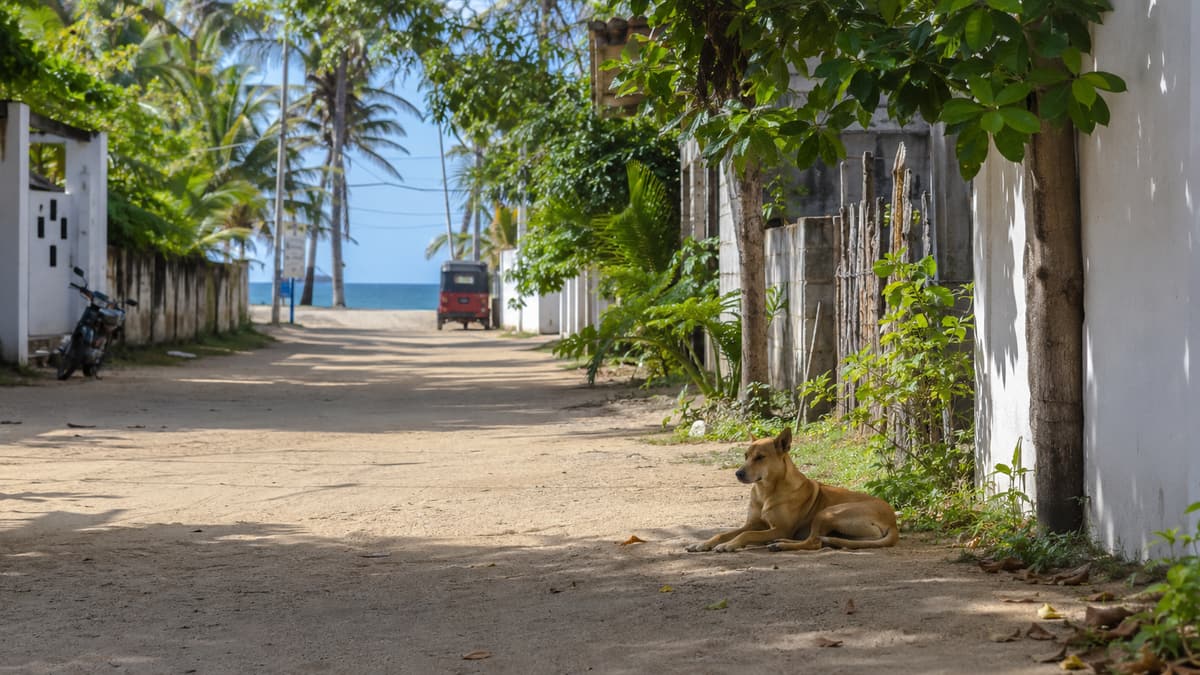
இலங்கையில் ரேபிஸ் உள்ளது. தெருவில் நீங்கள் காணும் நாய்கள் மற்றும் பூனைகளிடையே இந்த நோய் பரவலாக இல்லை — பெரும்பாலான தெரு விலங்குகள் ஆரோக்கியமானவை — ஆனால் நாட்டில் ரேபிஸ் உள்ளது, மேலும் அறிகுறிகள் தோன்றியவுடன், இந்த நோய் ஏறக்குறைய எப்போதும் உயிரிழப்பில் முடிகிறது. வெளிப்பாட்டுக்குப் பிந்தைய சிகிச்சை, அறிகுறிகள் தொடங்குவதற்கு முன் கொடுக்கப்பட்டால், மிகவும் திறமையானது. சரியான நேர இடைவெளியில் சரியான நடவடிக்கை மகத்தான அளவில் முக்கியத்துவம் வாய்ந்த தலைப்புகளில் இதுவும் ஒன்று.
அடிப்படைகள்
ரேபிஸ் என்பது ஒரு கடி அல்லது கீறலிலிருந்து நரம்புகள் வழியாக மூளை வரை பயணிக்கும் ஒரு வைரஸ். அடைகாக்கும் காலம் பொதுவாக ஒன்று முதல் மூன்று மாதங்கள், சில நேரங்களில் அதற்கும் அதிகம். அறிகுறிகள் தொடங்கியவுடன் — பொதுவாக காய்ச்சல், பதற்றம், பின்னர் படிப்படியான நரம்பியல் அறிகுறிகள் — அதற்கு எந்தத் தீர்வும் இல்லை. இதனால்தான் வெளிப்பாட்டுக்குப் பிந்தைய சிகிச்சையைப் பெறுவதற்கான வரம்பு வேண்டுமென்றே குறைவாக வைக்கப்பட்டுள்ளது.
இலங்கையில் ரேபிஸைச் சுமக்கக்கூடிய விலங்குகள்:
- நாய்கள், குறிப்பாக தெரு நாய்கள் — மிகவும் பொதுவான மூலம்
- பூனைகள், தெரு பூனைகள் உட்பட
- குரங்குகள் — பல கோயில்கள் மற்றும் சுற்றுலா இடங்களில் உள்ளன
- வௌவால்கள் — சிறிய கடிகள் கூட பரப்பக்கூடும்; வௌவால் உள்ள அறையில் நீங்கள் விழித்தால், அதை ஒரு வெளிப்பாடாகக் கருதுங்கள்
- கிராமப்புறங்களில் உள்ள பிற பாலூட்டிகள்
எது வெளிப்பாடாகக் கருதப்படுகிறது
நிலையான வகைகள்:
- வகை I: விலங்குகளைத் தொடுதல் அல்லது உணவளித்தல், அப்படியான தோலில் நக்குதல். சிகிச்சை தேவையில்லை.
- வகை II: இரத்தமின்றி சிறிய கீறல்கள் அல்லது சிராய்ப்புகள், அல்லது மூடப்படாத தோலில் கடித்தல். வெளிப்பாட்டுக்குப் பிந்தைய தடுப்பூசி.
- வகை III: தோலைக் கிழிக்கும் எந்தக் கடியும், இரத்தம் வரும் கீறல்கள், சளியால் சளிச்சவ்வுகள் (கண்கள், வாய்) மாசுபடுதல், வௌவால் கடிகளுக்கு வெளிப்படுதல். வெளிப்பாட்டுக்குப் பிந்தைய தடுப்பூசி மற்றும் ரேபிஸ் இம்யூனோகுளோபுலின்.
எந்த வகை பொருந்தும் என்று உங்களுக்கு உறுதியாகத் தெரியாவிட்டால், அதை உயர்ந்த வகையாகக் கருதுங்கள். பரிசோதனையின்போது நாங்கள் மதிப்பீடு செய்யலாம்.
கடி அல்லது கீறல் ஏற்பட்ட உடனேயே என்ன செய்வது
நேரம் முக்கியம். காத்திருக்காதீர்கள், அது சரியாகிறதா என்று பார்க்காதீர்கள்.
- காயத்தை நன்கு கழுவுங்கள் — சோப்பு மற்றும் ஓடும் நீரால் குறைந்தது பதினைந்து நிமிடங்களுக்கு. இது ஒற்றை மிக முக்கியமான முதல் படி — சோப்பும் நீரும் வைரஸ் அளவைக் கணிசமாகக் குறைக்கிறது.
- கிருமிநாசினியைத் தடவுங்கள் — Betadine, குளோர்ஹெக்சிடின், அல்லது ஆல்கஹால்.
- அதே நாளில் எங்களிடம், அல்லது எந்தவொரு கிளினிக் அல்லது மருத்துவமனைக்கும் வாருங்கள். அறிகுறிகள் வளர்கின்றனவா என்று பார்க்கக் காத்திருக்காதீர்கள்; அப்போது அது மிகவும் தாமதமாகிவிடும்.
சிகிச்சை
பயணிப்பதற்கு முன் நீங்கள் ஒரு முழு வெளிப்பாட்டுக்கு-முந்தைய ரேபிஸ் தடுப்பூசி வரிசையைப் (ஒரு மாதத்தில் மூன்று அளவுகள்) பெற்றிருந்தால், வெளிப்பாட்டுக்குப் பிந்தைய சிகிச்சை எளிதானது: வெறும் இரண்டு பூஸ்டர் அளவுகள், பூஜ்ஜியாம் நாள் மற்றும் மூன்றாம் நாளில்.
வெளிப்பாட்டுக்கு-முந்தைய தடுப்பூசியை நீங்கள் பெறவில்லை என்றால், உங்களுக்குத் தேவை:
- ரேபிஸ் தடுப்பூசி — பொதுவாக ஒரு மாதத்தில் நான்கு முதல் ஐந்து அளவுகள்
- ரேபிஸ் இம்யூனோகுளோபுலின் — வகை III வெளிப்பாடுகளுக்கு, காயத்தைச் சுற்றியே கொடுக்கப்படுகிறது
நாங்கள் தடுப்பூசியை நேரடியாகக் கொடுக்கலாம். ரேபிஸ் இம்யூனோகுளோபுலின் சில நேரங்களில் உள்ளூரில் பற்றாக்குறையாக இருக்கும்; அருகிலுள்ள மூலத்தைப் பற்றி நாங்கள் ஆலோசனை வழங்குவோம். சில பயணிகள் தடுப்பூசி பாடத்தை முடிக்க தங்கள் சொந்த நாட்டிற்குப் பறந்து செல்கிறார்கள், முதல் அளவு இங்கே உடனடியாகக் கொடுக்கப்படும் வரை அது நல்லது.
பிற கடி கருத்துகள்
ரேபிஸ் தவிர, விலங்குக் கடிகள் பாக்டீரியாத் தொற்று அபாயத்தைச் சுமக்கின்றன — குறிப்பாக பூனைக் கடிகள், அவை ஆழமான குறுகிய காயத்தையும் அதிக தொற்று விகிதத்தையும் கொண்டுள்ளன. நாங்கள் பொதுவாக:
- காயத்தை நன்கு சுத்தம் செய்வோம்
- தையல் போட வேண்டுமா என்று தீர்மானிப்போம் (சில கடிகள் வடிதலை அனுமதிக்கத் திறந்தே விடப்படுகின்றன)
- நுண்ணுயிர் எதிர்ப்பிகளை பரிந்துரைப்போம், பெரும்பாலும் விலங்குகளின் வாயில் பொதுவான பாக்டீரியாக்களை உள்ளடக்கிய கலவை
- உங்கள் டெட்டனஸ் நிலையைச் சரிபார்த்து, தேவைப்பட்டால் ஒரு பூஸ்டர் கொடுப்போம்
பாம்புக் கடிகள்
இலங்கையில் விஷப் பாம்புகள் உள்ளன — ரஸ்ஸலின் விரியன், கட்டுவிரியன் (common krait), சுருள்செதிள் விரியன் (saw-scaled viper), கூம்பு-மூக்கு விரியன், நாகப்பாம்பு, மற்றும் பிற. பெரும்பாலான கடிகள் கிராமப்புறங்களில் நிகழ்கின்றன, பெரும்பாலும் வயல்களில் வேலை செய்பவர்கள் அல்லது இரவில் வெறுங்காலுடன் நடப்பவர்களுக்கு.
கடிபட்டால்:
- அமைதியாக இருங்கள். அசைவு விஷத்தை வேகமாகப் பரப்புகிறது.
- உறுப்பை நடுநிலை நிலையில் அசையாமல் வைக்கவும். இறுக்கமான டூர்னிக்கெட்டைப் பயன்படுத்தாதீர்கள் — நன்மையை விட அதிக தீங்கு விளைவிக்கும் பழைய அறிவுரை.
- காயத்தை வெட்டவோ, உறிஞ்சவோ, பனிக்கட்டி வைக்கவோ வேண்டாம்.
- முடிந்தவரை விரைவாக ஆன்டிவெனம் உள்ள மருத்துவமனைக்குச் செல்லுங்கள். ஆம்புலன்ஸுக்கு 1990 ஐ அழைக்கவும்.
- பாம்பு எப்படி இருந்தது என்பதை நினைவில் வைக்க முயற்சிக்கவும் (நிறம், அளவு, தலை வடிவம்) ஆனால் அதைப் பிடிக்கவோ கொல்லவோ முயற்சித்து நேரத்தை வீணாக்காதீர்கள்.
பாம்புக் கடிகளுக்கு நாங்கள் முதலுதவியும் நிலைப்படுத்தலும் வழங்கலாம், ஆனால் ஆன்டிவெனம் வழங்குதல் பொதுவாக ஒரு பிராந்திய மருத்துவமனையில் நடைபெறுகிறது. இடமாற்றத்தை நாங்கள் ஒருங்கிணைப்போம்.
தடுப்பு
- தெரு விலங்குகள் எவ்வளவு அழகாக இருந்தாலும் அவற்றை அணுகவோ உணவளிக்கவோ வேண்டாம்
- குரங்குகள் பிடிக்கும் அளவுக்கு அவற்றுக்கு நெருக்கமாகச் செல்ல வேண்டாம் — அவை வேகமானவை, பல உணவைச் சுற்றி ஆக்ரோஷமானவை
- மூடிய காலணிகளை அணியுங்கள், குறிப்பாக இருட்டிய பிறகு புல் அல்லது பாதைகளில் நடக்கும்போது
- உணவை மூடி வைத்திருங்கள், குரங்குகள் அடிக்கடி வரும் பகுதிகளில் சாப்பிட வேண்டாம்
இந்தக் கட்டுரை பொதுவான சுகாதாரத் தகவல் மட்டுமே, மருத்துவ ஆலோசனைக்கு மாற்றாகாது. ஏதேனும் சாத்தியமான ரேபிஸ் வெளிப்பாட்டுக்கு அவசர மருத்துவ மதிப்பீடு தேவை.
தொடர்புடைய கட்டுரைகள்

பயணி சுகாதாரம்
இலங்கையில் ஒவ்வாமை எதிர்வினைகள் மற்றும் அனாபிலாக்சிஸ்: என்ன செய்ய வேண்டும்
புதிய உணவுகள், புதிய பூச்சிகள், புதிய வெயில் வெளிப்பாடு — இலங்கையில் ஏராளமான புதிய ஒவ்வாமை தூண்டிகள் உள்ளன. ஒரு எதிர்வினையை ஆரம்பத்திலேயே எப்படி கண்டறிவது, அது தீவிரமடைந்தால் என்ன செய்ய வேண்டும் என்பது இதோ.
6 நிமிட வாசிப்பு
பயணி சுகாதாரம்
Arugam Bay-இல் ரேபிஸ் தடுப்பூசி: விரைவாக எங்கே பெறுவது
Arugam Bay-இல் நாய் அல்லது குரங்கு கடித்ததா அல்லது கீறியதா? எங்களிடம் மனித ரேபிஸ் தடுப்பூசி உள்ளது, அதே நாளில் சிகிச்சையைத் தொடங்கலாம். இப்போதே என்ன செய்வது என்பது இதோ.
6 நிமிட வாசிப்பு
பயணி சுகாதாரம்
அரூகம் பேயில் ஆஸ்துமா மற்றும் சுவாசப் பிரச்சினைகள்: வெப்பம் மற்றும் தூசிக்கு மத்தியில் உங்கள் இன்ஹேலரை நிர்வகித்தல்
வெப்பம், தூசி, தூப புகை மற்றும் உப்புக் காற்று ஆகியவை அரூகம் பேயில் ஆஸ்துமாவைத் தூண்டக்கூடும். உங்கள் இன்ஹேலரை எவ்வாறு நிர்வகிப்பது, கடுமையான நோய்த்தாக்கத்தை எப்படி அடையாளம் காண்பது, மற்றும் நாங்கள் என்ன செய்ய முடியும் என்பது இதோ.
8 நிமிட வாசிப்பு