Dispensary

阿鲁甘湾安全

Arugam Bay Safety Guide: A Local's Perspective

2026年1月27日 · 7分钟阅读

本文目前仅提供英文版本。

Arugam Bay is one of the more relaxed surf towns in Asia. The population is small, the layout is simple — basically one road along the beach — and the community is used to international visitors. Most stays go smoothly. But it’s still a small Sri Lankan coastal town, with the particular hazards of a small Sri Lankan coastal town. This is what we’d tell a friend who’s about to spend a few weeks here.

Getting around

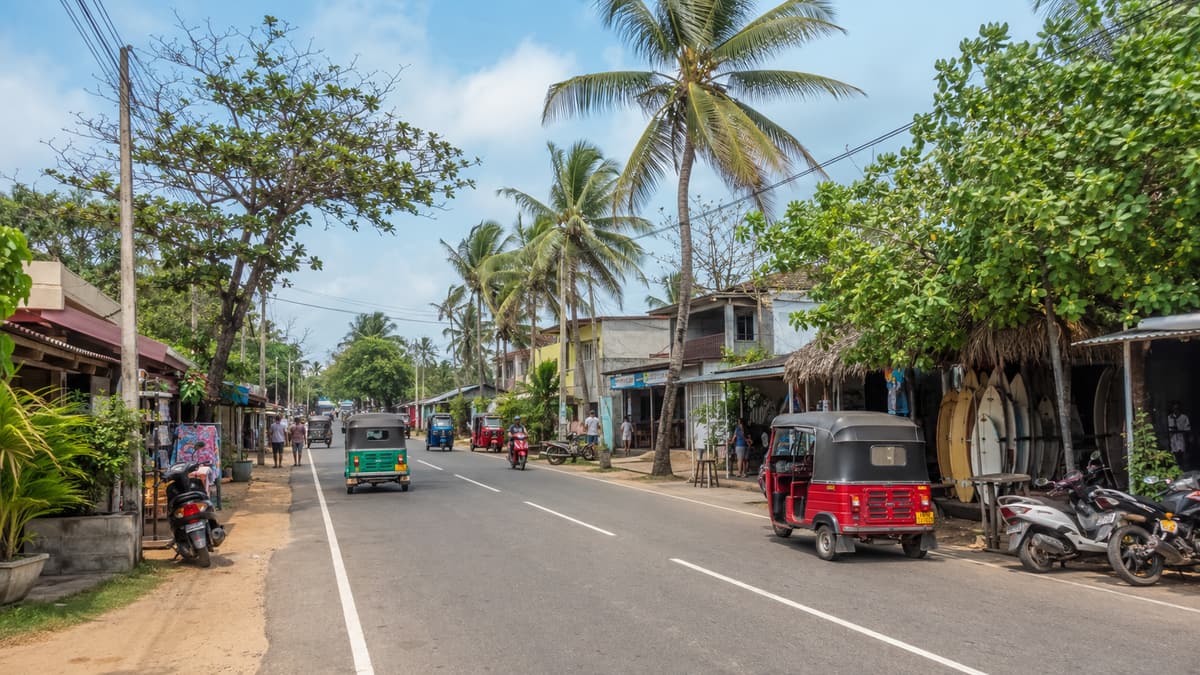
Most people use tuk-tuks (three-wheelers) to move between Arugam Bay, the surf points, Pottuvil, and the lagoons. Things to know:

  • Use metered tuk-tuks where you can find them, or agree on the price before you get in. A trip within the bay should usually be under a few hundred rupees.
  • Wear a seatbelt if there is one. Most tuk-tuks don’t have them. Sit toward the back, not on the edge.
  • Avoid riding at night if you can — the roads here are not well-lit, and animals (cattle, dogs, occasionally elephants) wander into the road.
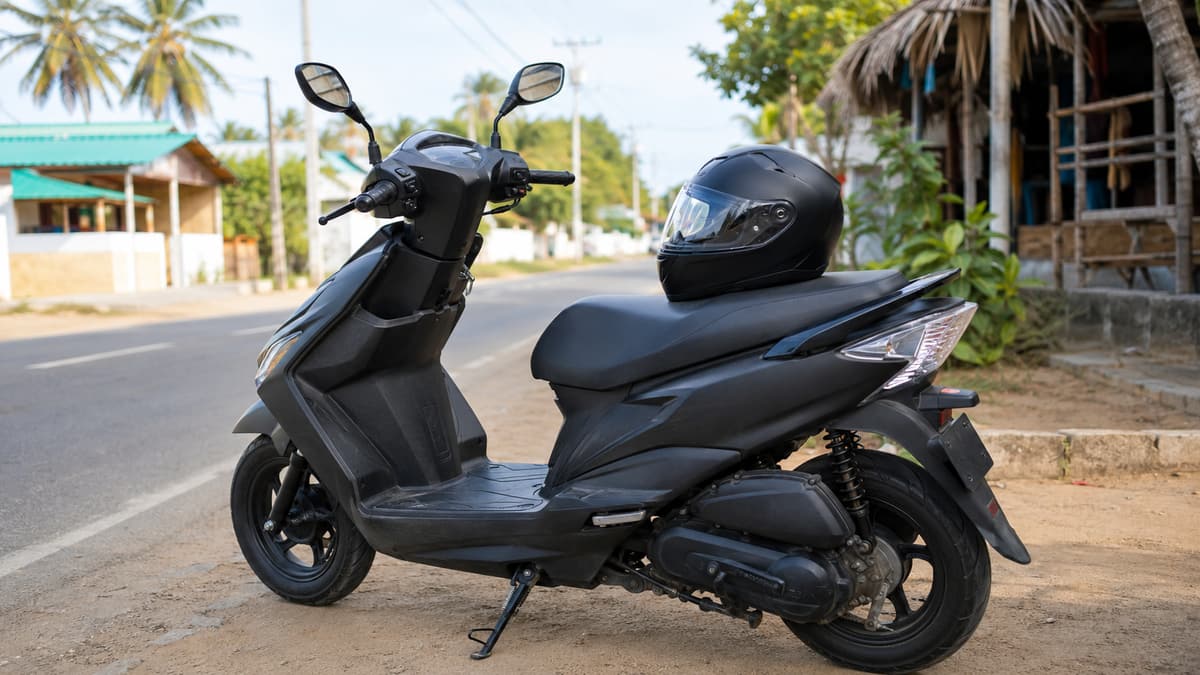
  • Renting a scooter is popular but accidents happen frequently with foreign riders unused to Sri Lankan traffic conditions. If you’re not an experienced rider, take a tuk-tuk. If you do ride, wear a helmet (not all rental places provide them — bring your own if possible) and keep your speed down. We see scooter injuries regularly during high season.

Swimming and the surf

The waves that make Arugam Bay famous are not waves to swim in casually if you’re not a confident ocean swimmer.

  • Main Point is for surfing, not swimming. The wave is powerful, the reef is shallow, and there are surfers on every set.
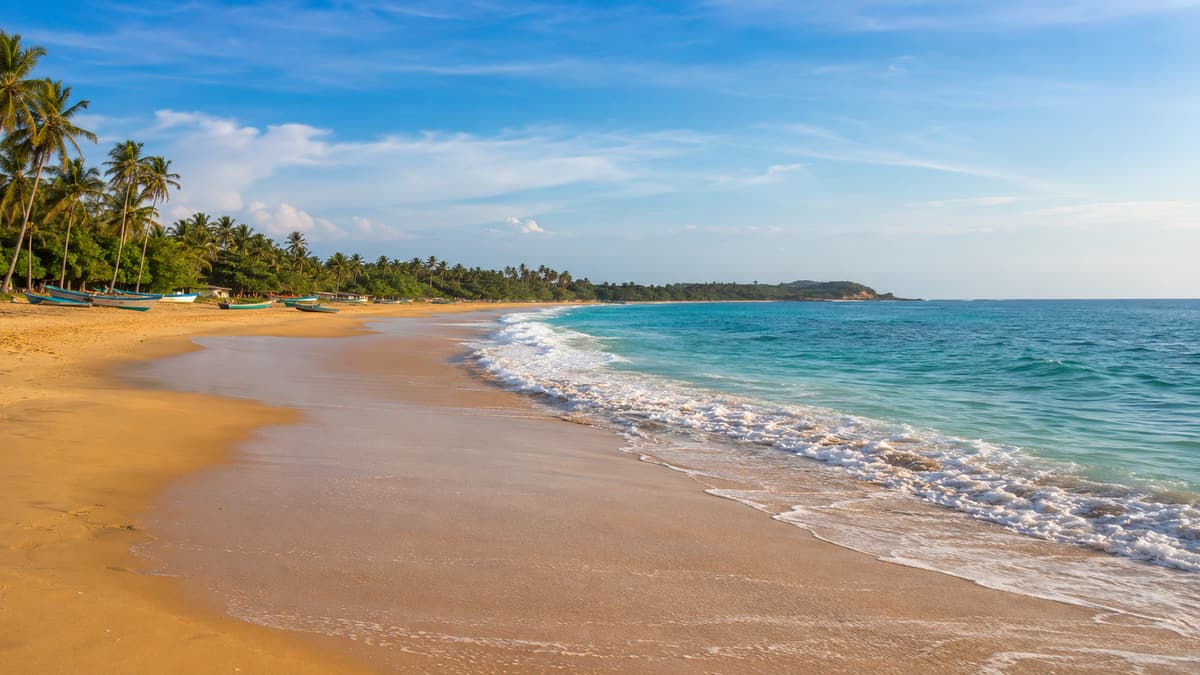
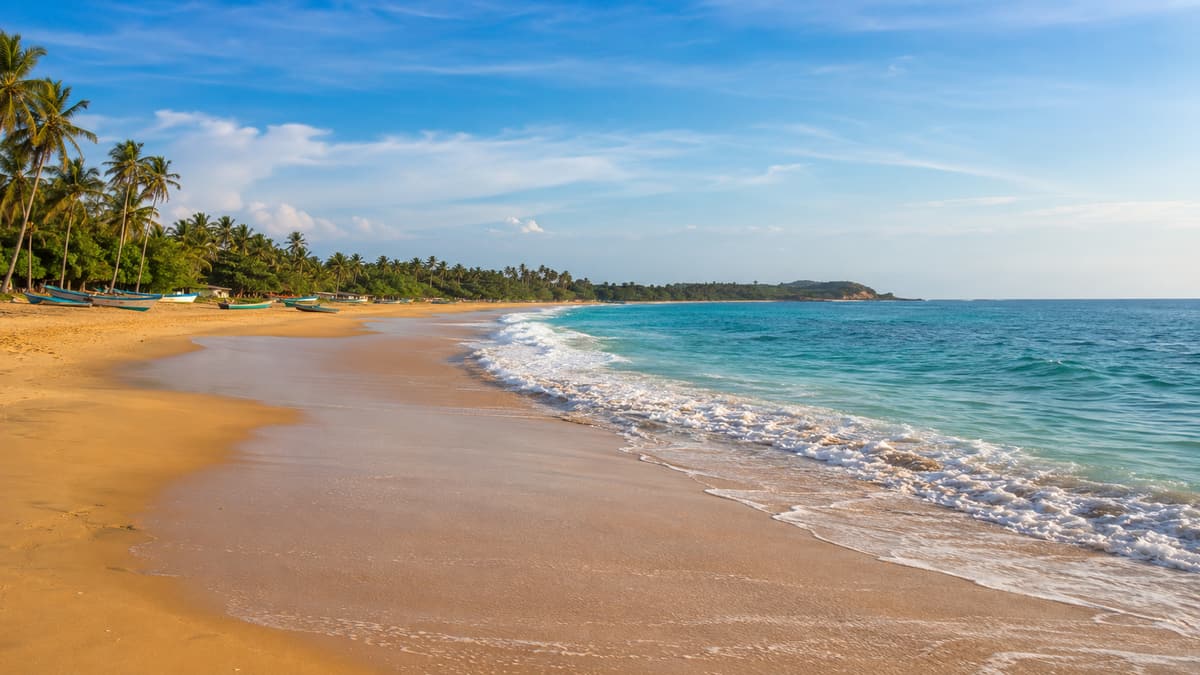
  • The beach in front of the village (the “Baby Point” area) is usually safer for swimming, but rip currents do form, especially in the surf season.
  • Don’t swim alone, especially in the early morning or late afternoon when the beach is quieter.
  • Watch for warning flags if any are posted. Most beaches in Arugam Bay don’t have lifeguards.
  • Lagoon swimming — the Pottuvil Lagoon is brackish and generally calm, but crocodiles are present in some lagoons in the region. Don’t swim in lagoons unless local people you trust have confirmed it’s safe.

Wildlife

Arugam Bay’s wider area is full of wildlife, which is part of what makes it special. A few hazards to keep in mind:

  • Elephants wander between Lahugala and Kumana national parks and sometimes cross the roads, especially at dusk. If you’re driving or in a tuk-tuk and see an elephant on or near the road, stop a long way back and wait for it to move. Don’t approach for photos.
  • Monkeys at temples and around hotels can be aggressive. Don’t carry food openly. If a monkey approaches, don’t make eye contact and don’t run.
  • Stray dogs are common. Most are docile. Avoid the ones that look unwell or aggressive. See our article on rabies and animal bites if you’re bitten.
  • Monitor lizards are large but not dangerous to humans unless cornered. They eat fish, frogs, and chickens.
  • Snakes — Sri Lanka has several venomous species. Bites are rare for tourists in town areas but possible in long grass, jungle walks, or after rains. Wear closed shoes for any walking off the main paths. See our article on rabies and animal bites for snake bite first aid.
  • Leeches appear during the rains, especially in jungle and damp grass. Annoying but not dangerous. Salt or a flame removes them quickly; don’t yank them off.

Monsoon and weather

Arugam Bay’s surf season is April to October. The rest of the year is the wetter season, with occasional heavy storms and reduced surf. A few weather-related notes:

  • Heavy rains can cause flooding, especially in low-lying areas. Avoid wading through floodwater (leptospirosis risk; see below).
  • Lightning storms are intense and frequent during the wet season. Don’t be in or on the water during a thunderstorm.
  • Tsunamis — Arugam Bay was hit hard by the 2004 tsunami. Sri Lanka now has a warning system. If you feel a strong earthquake or hear a tsunami warning, move inland and to higher ground immediately. The roads out of Arugam Bay go inland.

Leptospirosis and water hazards

Leptospirosis is a bacterial infection that spreads through water contaminated with animal urine. It’s a concern after heavy rains and flooding, when stagnant water collects in roads and fields. Symptoms develop one to two weeks after exposure and include high fever, severe headache, muscle aches, and (in severe cases) jaundice and kidney problems.

  • Avoid wading in stagnant water or flood water
  • Don’t swim in freshwater lakes, ponds, or rivers
  • Wash and dress any cuts immediately if you’ve been in murky water
  • See a doctor if you develop a high fever a week or two after potential exposure

Personal safety

  • Petty theft happens, especially on the beach. Don’t leave valuables unattended on the sand. Most guesthouses have safe storage.
  • Drugs — illegal in Sri Lanka and penalties are severe. The police do check.
  • Alcohol — widely available. Drink-driving is illegal and dangerous given the road conditions.
  • Demonstrations are occasional in Sri Lanka and can shut down roads. Avoid large gatherings.
  • Money and documents — keep copies of your passport, insurance, and emergency contacts in your phone and somewhere separate. Keep a small reserve of cash hidden in case of ATM problems.

When to come and see us

For any of the above going wrong, we’re here twenty-four hours a day. For genuine emergencies, call 1990 first for an ambulance — they’re free and fast — and call us as a second step. We can stabilise, treat, and coordinate transfer to a regional hospital if needed.


This article is general safety information and not a substitute for local advice or professional guidance. Conditions and recommendations change — check current sources before traveling.