
Травмы при сёрфинге
Ожоги медуз на восточном побережье Шри-Ланки: первая помощь, которая действительно работает
17 янв. 2026 г. · 5 мин чтения
Ожог медузы — из тех травм, где народные средства хуже, чем бесполезны: они могут сделать ожог ещё более болезненным. Если вас обожгла медуза в Arugam Bay или где-либо вдоль восточного побережья Шри-Ланки, вот что нужно делать, по порядку, и чего делать не следует.
С чем вы, скорее всего, столкнётесь
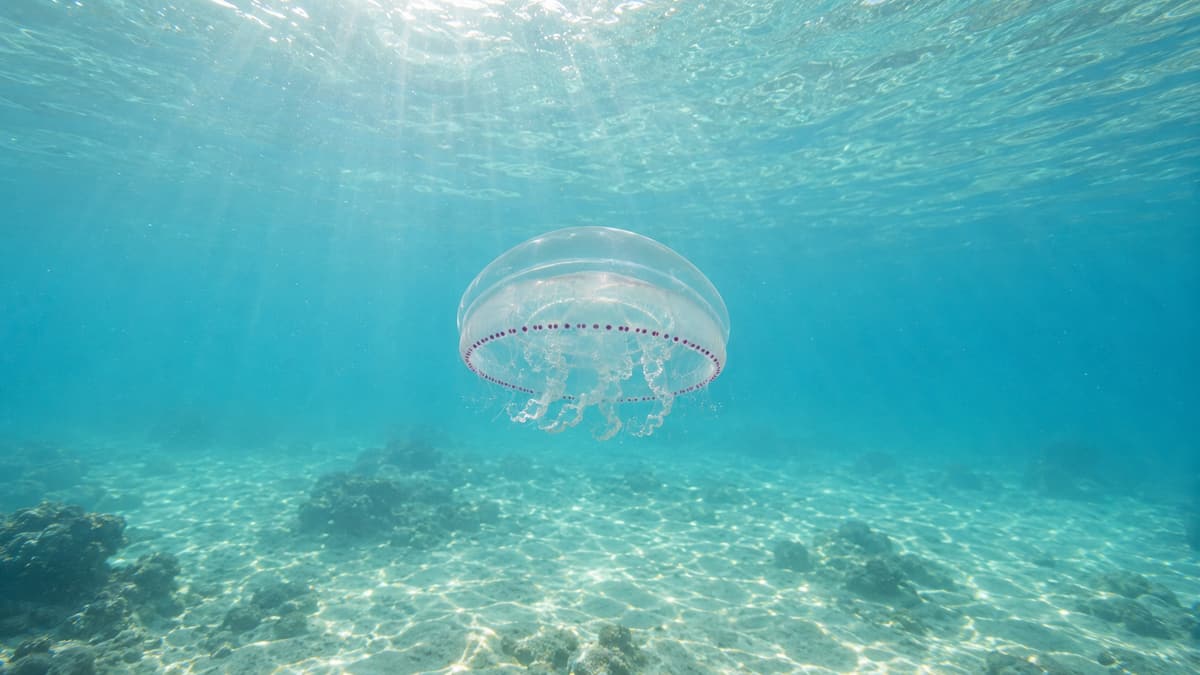
На восточном побережье Шри-Ланки в основном встречаются виды медуз, ожог которых болезненный, но не опасный. Чаще всего это небольшие полупрозрачные виды, которых прибивает к берегу при ветре с моря, особенно после непогоды. Кубомедузы, действительно опасные, в Arugam Bay редки, но встречаются в водах Шри-Ланки севернее.
Большинство ожогов вызывают:
- Немедленную резкую боль в виде линии или пятна там, где коснулось щупальце
- Красный приподнятый рубец, который развивается в течение пятнадцати-тридцати минут
- Зуд и жжение, которые могут длиться от нескольких часов до нескольких дней
Тяжёлые реакции нечасты, но о них стоит знать: затруднённое дыхание, боль в груди, сильный отёк, головокружение или признаки аллергической реакции. Если появится что-либо из этого, немедленно обращайтесь к нам или звоните 1990.
Первая помощь — делайте так
- Осторожно выйдите из воды. Избегайте дальнейшего контакта со щупальцами, которые могут жалить, даже отделившись от медузы.
- Не трите место ожога. Растирание запускает ещё больше жалящих клеток (нематоцист), оставшихся на коже.
- Промойте морской водой, а не пресной. Пресная вода может спровоцировать оставшиеся нематоцисты выпустить больше яда. Аккуратно промойте участок морской водой.
- Удалите видимые щупальца пинцетом или краем кредитной карты. Не используйте голые пальцы.
- Погрузите участок в горячую воду — настолько горячую, насколько можете вытерпеть, не обжигаясь, примерно 42–45°C — на двадцать-сорок минут. Тепло денатурирует белки яда и является самым эффективным обезболиванием для большинства ожогов, встречающихся в наших водах. Если погрузить нельзя, подойдёт горячий душ.
- Примите paracetamol или ibuprofen от боли. Антигистаминные средства помогают при зуде.
- Следите за признаками инфекции в последующие дни: распространяющееся покраснение, жар, гной или повышение температуры.
Не делайте
- Не мочитесь на место ожога. Это, как известно, ничем не помогает и может ухудшить состояние.
- Не поливайте его пресной водой или спиртом в первые минуты.
- Не прикладывайте лёд напрямую, по крайней мере, не в качестве первого средства — для видов в наших водах тепло работает лучше.
Когда приходить к нам
- Ожог покрывает большую площадь тела
- Ожог на лице, шее или гениталиях
- У вас есть любое затруднение дыхания, боль в груди или ощущение обморока
- Боль невозможно унять
- Рубец воспаляется в последующие дни
- Вы не уверены, что именно вас обожгло (нам лучше вас осмотреть, чем чтобы вы гадали)
Мы можем дать более сильное обезболивание, противовоспалительные, антигистаминные средства и при необходимости антибиотики. Тяжёлые системные реакции лечатся как неотложные состояния — у нас есть всё необходимое под рукой.
Эта статья содержит общую информацию о здоровье и не заменяет медицинскую консультацию. При тяжёлых реакциях звоните 1990 или немедленно приходите к нам.
Похожие статьи
Травмы при сёрфинге
Растяжения голеностопа и колена: травмы от сёрфинга и ходьбы по рифу в Аругам-Бэй
Подвёрнутая на прогулке по рифу лодыжка или подвёрнутое колено при слишком резком вставании на доску — две самые частые травмы сёрферов, с которыми мы сталкиваемся. Вот как отличить растяжение от перелома.
8 мин чтения

Травмы при сёрфинге
Травмы головы и сотрясение мозга после вайпаута в Аругам-Бей
Сильный вайпаут на Main Point или Peanut Farm может обернуться не просто ушибом — рассказываем, как распознать сотрясение мозга, что делать в первые часы и когда нужно прийти к нам.
7 мин чтения
Травмы при сёрфинге
Порезы о риф: как их лечить и почему главная опасность — инфекция
Порезы о кораллы и риф в тропической воде быстро воспаляются. Вот как правильно обработать такой порез и распознать, когда нужны швы или антибиотики.
6 мин чтения