

Traveler Health
Pregnant and Traveling to Arugam Bay: What to Know Before and During Your Trip
Sep 8, 2026 · 8 min read
We see a fair number of pregnant travelers come through Arugam Bay, usually in the second trimester, usually here for a slower kind of holiday than the surf crowd — long walks on the beach, good food, a break before the baby arrives. Most of them have a completely uneventful trip. A little planning beforehand and a few sensible adjustments here make the difference between “uneventful” and a stressful few days chasing down a scan or a blood pressure check in an unfamiliar country.
This isn’t a reason to cancel a trip. It’s a guide to doing it well.
Before you book: talk to your own doctor first
The general rule most obstetricians give healthy pregnancies is that travel is usually fine between about 14 and 28 weeks — past the higher-risk early weeks, before the later stages when you’re less mobile and closer to delivery. Outside that window, or if your pregnancy is anything other than straightforward (twins, a history of pre-term labour, pre-eclampsia, placenta issues, gestational diabetes), get sign-off from your own doctor before you book flights, not after.
Check your airline’s policy too. Most airlines accept pregnant travelers up to around 36 weeks for domestic flights and 28-32 weeks for international ones, often requiring a doctor’s letter after a certain point. Sri Lanka’s own airlines and the codeshare carriers flying into Colombo generally follow similar rules — check the specific one you’re flying.
What to pack
- Your maternity notes or a summary from your doctor. Blood type, due date, any complications, current medications. If something does come up here, this saves us time and means we’re not guessing.
- Any prenatal vitamins and regular medications, packed in carry-on with enough for the whole trip plus a few extra days.
- A blood pressure monitor, if you or your doctor are keeping an eye on this. They’re compact and worth the space in your bag.
- Compression socks for the flight — pregnancy already raises the risk of blood clots, and long-haul flights add to it. Get up and walk the aisle every hour or two.
Vaccines and malaria tablets
This is where pregnancy changes travel medicine advice considerably, and it’s worth getting right before you fly, not after you land.
- Live vaccines (like yellow fever or the oral typhoid vaccine) are generally avoided in pregnancy. Sri Lanka doesn’t require yellow fever vaccination unless you’re arriving from a country with yellow fever risk, but if that applies to you, this needs specialist discussion well in advance.
- Most malaria prophylaxis tablets are not recommended in pregnancy — but malaria risk in Sri Lanka is very low, and the country was declared malaria-free by the WHO some years back, with only occasional imported cases. Most obstetricians don’t recommend antimalarial tablets for this specific trip; check with your own doctor to confirm.
- Routine vaccines you’re already up to date on (hepatitis A, tetanus boosters if due) are generally fine, but confirm with your own doctor rather than deciding on your own.
We’re happy to talk through what you’ve already had and what, if anything, still makes sense — but decisions about live vaccines and antimalarials in pregnancy should involve the doctor who knows your full history.
Food and water safety matters more now
Traveler’s diarrhea is unpleasant for anyone; in pregnancy, the dehydration that comes with it is the real risk, and some of the usual quick-fix medications aren’t suitable.
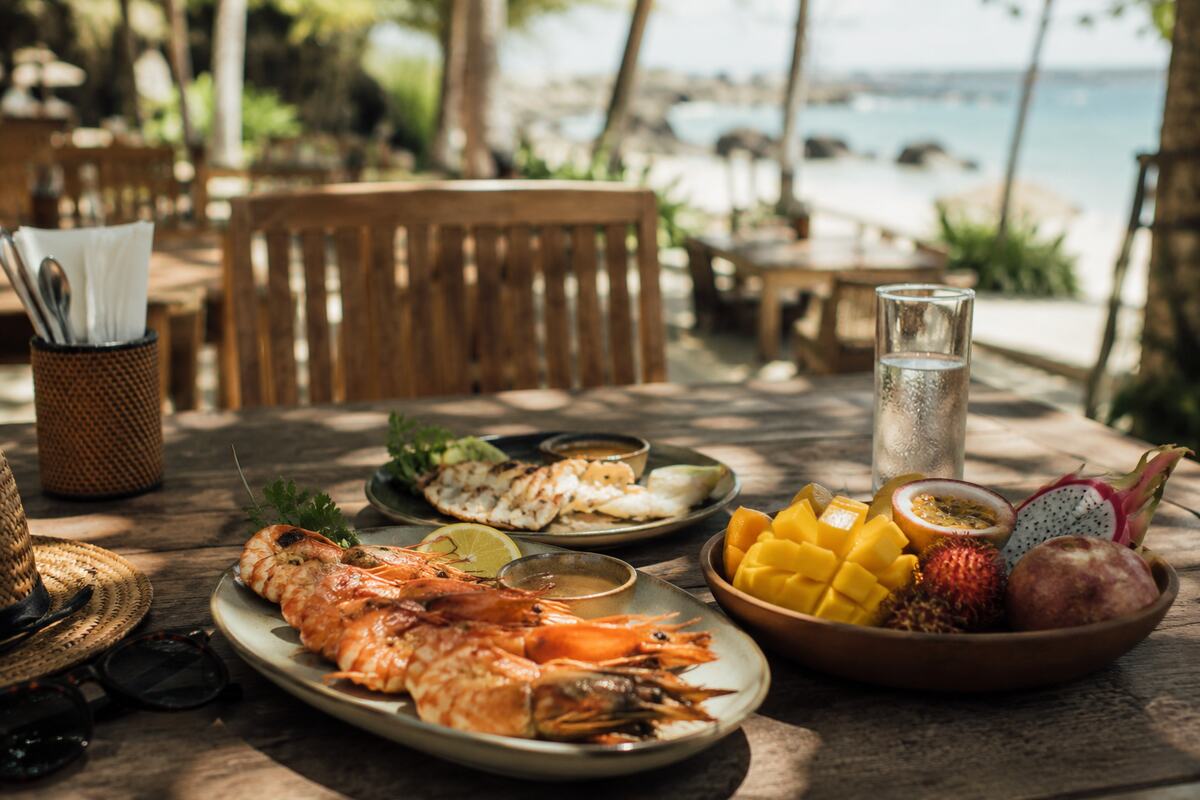
- Stick to bottled or filtered water, avoid ice unless you know it’s made from purified water, and be cautious with raw seafood, unwashed salads, and food that’s been sitting out — the usual traveler’s diarrhea precautions, just with less margin for error.
- If diarrhea or vomiting does hit, oral rehydration salts (ORS) are safe and important — don’t just push through it. Come and see us if you can’t keep fluids down for more than a few hours; in pregnancy, we’d rather check you and an IV drip early than wait.
- Loperamide (Imodium) and some anti-nausea medications need a pregnancy-specific check before you take them — ask us or your own doctor rather than reaching for what’s in the guesthouse first-aid drawer.
Heat, hydration, and pacing yourself
Arugam Bay is hot and humid year-round, and pregnancy already raises your baseline body temperature and fluid needs. Overheating and dehydration can bring on Braxton Hicks contractions, dizziness, and fatigue faster than you’d expect if you’re used to a temperate climate.
- Drink more water than feels necessary, and add oral rehydration salts or coconut water if you’re sweating heavily.
- Rest in the shade or air conditioning through the middle of the day rather than pushing through a full beach day.
- Loose, breathable clothing and a wide-brimmed hat do more here than sunscreen alone.
- Swelling in the ankles and feet is normal in the tropical heat, but sudden swelling in the face or hands, a bad headache that doesn’t respond to paracetamol, or visual changes are not — these need to be checked the same day, not waited out.
Getting around safely
Sri Lankan roads, tuk-tuks, and the boat safaris popular around the lagoon are all things to think through a little differently while pregnant.
- Tuk-tuks have no seatbelts and a rougher ride than a car; for longer journeys, a car with working seatbelts is the more comfortable and safer choice.
- Skip the back of a motorbike or scooter entirely — this is genuinely not the year for it.
- Boat safaris on the lagoon are generally fine at a gentle pace, but ask the operator to avoid speeding across chop, and sit toward the centre of the boat, not the bow.
When to come and see us
Walk in any time, day or night — we’re a 24/7 clinic and used to being the first stop for travelers rather than their regular obstetrician. Come in for:
- Any vaginal bleeding or fluid loss
- Abdominal pain or cramping that doesn’t settle with rest
- A fever of 38°C or higher
- Reduced or absent baby movements, if you’re far enough along to be feeling them regularly
- Severe or persistent headache, visual disturbances, or sudden swelling
- Diarrhea or vomiting you can’t get on top of at home
We don’t have an obstetric ultrasound on site, but we can examine you, check your blood pressure and basic bloods, treat straightforward issues like dehydration or infection directly, and arrange transfer to a hospital with obstetric and scanning facilities in Colombo or a bigger regional centre if you need one. If it’s urgent, call 1990 for the free national ambulance, or call us first and we’ll guide you.
Insurance and paperwork
Make sure your travel insurance explicitly covers pregnancy-related care and, ideally, medical evacuation — not every standard policy does, particularly later in pregnancy. If you do need to see us, we give itemised English-language receipts for every visit, which makes claiming straightforward once you’re home.
The short version
Most pregnant travelers who come through Arugam Bay have a lovely, uneventful trip. Get your own doctor’s sign-off before you book, travel in the window that suits your pregnancy, take food and water safety a bit more seriously than usual, pace yourself in the heat, and know that we’re here around the clock if anything needs checking. That’s really the whole plan.
Related reading
- Vaccines to Consider Before Traveling to Sri Lanka
- Travel Insurance for Sri Lanka: What to Look For
- Dehydration in the Tropics: Oral Rehydration Salts and When You Need an IV Drip
This article is general health information and not a substitute for medical advice from the doctor managing your pregnancy. If you’re pregnant and unwell in Arugam Bay, walk in any time, or call 1990 for emergency transport.
Related articles
Traveler Health
Allergic Reactions & Anaphylaxis in Sri Lanka: What to Do
New foods, new insects, new sun exposure — Sri Lanka has plenty of new allergy triggers. Here's how to spot a reaction early and what to do if it turns serious.
6 min read
Traveler Health
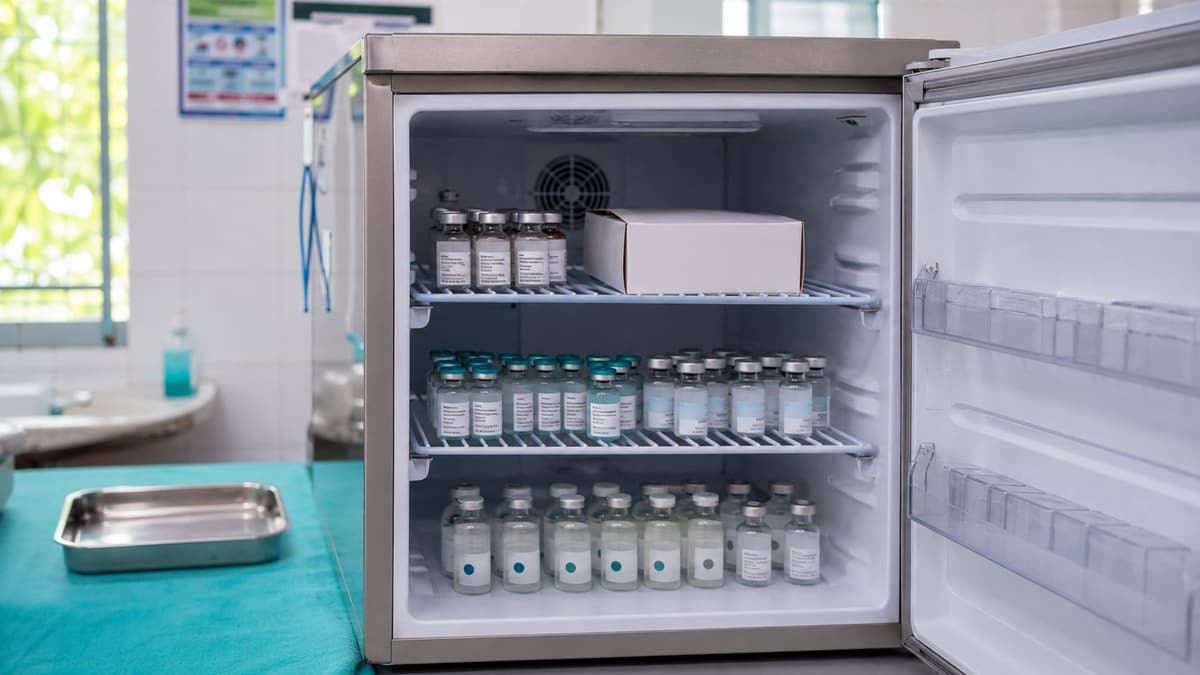
Anti-Rabies Vaccine in Arugam Bay: Where to Get It, Fast
Bitten or scratched by a dog or monkey in Arugam Bay? We stock human anti-rabies vaccine and can start treatment the same day. Here's what to do right now.
6 min read

Traveler Health
Asthma and Breathing Problems in Arugam Bay: Managing Your Inhaler in the Heat and Dust
Heat, dust, incense smoke, and salt air can all trigger asthma in Arugam Bay. Here's how to manage your inhaler, spot a serious flare-up, and what we can do.
8 min read