الرعاية الصحية في سريلانكا
تأمين السفر إلى سريلانكا: ما الذي ينبغي البحث عنه
29/01/2026 · 5 دقيقة قراءة
تأمين السفر من تلك الأمور التي تبدو غير ضرورية حتى تحتاج إليها. بالنسبة لبلد مثل سريلانكا، حيث معظم الرعاية الطبية ميسورة التكلفة لكن أي حادث خطير قد يستلزم إخلاءً طبياً، فإن امتلاك الوثيقة المناسبة يستحق التكلفة فعلاً. إليك ما ينبغي البحث عنه.
لماذا يهمّ التأمين هنا
الرعاية الطبية الروتينية في سريلانكا رخيصة بالمعايير الغربية. قد تكلّف الاستشارة في العيادة بضعة آلاف من الروبيات (أقل من ثلاثين دولاراً). وزيارة طوارئ أساسية في مستشفى خاص تكون عادة أقل من مئة دولار. حتى المبيت لليلة في مستشفى خاص أقل بكثير من تكلفته في بلدك.
ما يصبح باهظاً بسرعة:
- الإخلاء الطبي. إذا أُصبت إصابة خطيرة في منطقة نائية واحتجت إلى نقلك إلى كولومبو أو إلى بلدك، فقد تصل التكاليف إلى عشرات الآلاف من الدولارات. قد تتجاوز تكلفة الإسعاف الجوي إلى بلدك من سريلانكا مئة ألف دولار.
- العناية المركّزة. الإقامة في وحدات العناية المركّزة الخاصة في كولومبو أو كاندي تتراكم تكاليفها بسرعة.
- الإجراءات الجراحية. أي شيء ذي شأن — كسور عظام تتطلب جراحة، جراحة بطن، مضاعفات حادث دراجة — قد يكلّف عدة آلاف من الدولارات.
بالنسبة للمشكلات البسيطة ستدفع على الأرجح من جيبك وتطالب باسترداد المبلغ لاحقاً. أما للمشكلات الخطيرة، فإن امتلاك وثيقة تدفع مباشرة أو تُرتّب الإخلاء يُحدث فرقاً هائلاً.
ما الذي يجب أن تغطّيه وثيقتك
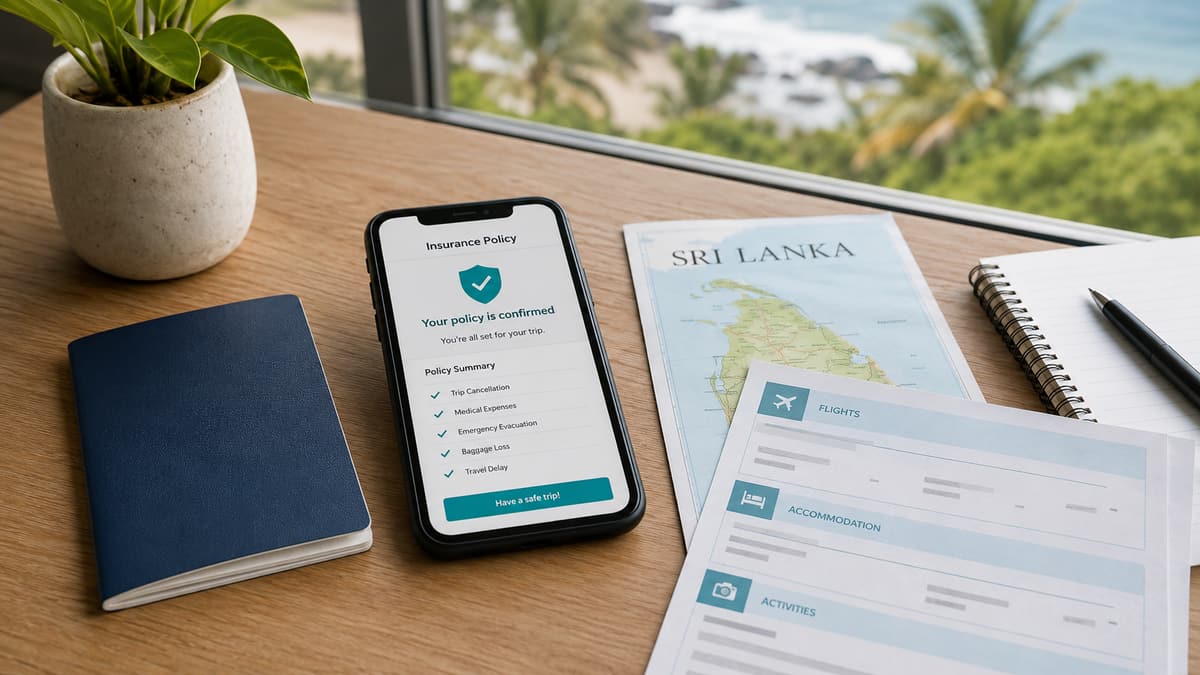
التغطية الطبية — مئة ألف دولار أمريكي على الأقل. الحدود الأدنى قد تترك ثغرات إذا احتجت إلى جراحة أو إقامة في المستشفى.
الإخلاء الطبي الطارئ — ثلاثمئة ألف دولار أمريكي على الأقل. هذا يغطّي النقل إلى مستشفى ذي مرافق مناسبة، بما في ذلك العودة إلى بلدك إذا لزم الأمر.
مساعدة على مدار 24 ساعة — رقم هاتف يمكنك الاتصال به من أي مكان وفي أي وقت لطلب المساعدة. شركات التأمين الجيدة تنسّق الرعاية، وتتحدّث مع المستشفيات نيابة عنك، وترتّب الإخلاء.
إلغاء الرحلة ومقاطعتها — إذا اضطررت للعودة جواً إلى بلدك مبكراً بسبب مشكلة طبية، أو إذا انقطعت رحلتك بسبب المرض.
المسؤولية الشخصية — إذا تسبّبت بأذى لشخص آخر أو أضرّت بممتلكات.
فقدان الأغراض الشخصية — مفيد، رغم أن كثيراً من وثائق تأمين المنزل تغطّي هذا أيضاً.
الأنشطة — اقرأ التفاصيل الدقيقة
ركوب الأمواج هو السبب الذي يأتي من أجله معظم الناس إلى Arugam Bay. كثير من وثائق التأمين الأساسية تحتوي على استثناءات مفاجئة لـ”الرياضات المغامرة”، وقد تشمل:
- ركوب الأمواج (نعم، بعض الوثائق تستثنيه)
- الغوص بأجهزة التنفس تحت عمق معيّن
- ركوب الدراجات النارية أو السكوتر، خاصة دون رخصة سارية
- تسلّق الصخور أو المشي لمسافات طويلة فوق ارتفاع معيّن
- أنشطة المياه الجارية
إذا كنت ستركب الأمواج أو تقود سكوتر أو تغوص أو تمارس أي نشاط آخر، فتأكد من أن الوثيقة تذكرها تحديداً ضمن المشمولات. وإن لم تكن مشمولة، فابحث عن إضافة “الرياضات المغامرة” أو عن وثيقة مختلفة.
تأجير السكوتر يستحق ملاحظة خاصة. معظم الوثائق تشترط أن تكون لديك رخصة دراجة نارية سارية من بلدك، بالإضافة إلى رخصة قيادة دولية، لتكون مشمولاً بأي مطالبة متعلقة بالسكوتر. رخصة السيارة لا تكفي. السياح الذين يُصابون على السكوترات المستأجرة دون الرخصة المناسبة تُرفض مطالباتهم بشكل روتيني. احصل على الرخصة المناسبة قبل السفر، أو اكتفِ بالتوك توك.
ما ينبغي فعله قبل السفر
- اقرأ الوثيقة قبل شرائها. وليس بعده. انظر إلى الاستثناءات، لا إلى ما هو مشمول فقط.
- احمل تفاصيل الوثيقة معك — رقم المساعدة الطارئة، رقم الوثيقة، اسم شركة التأمين. لقطة شاشة في الهاتف تكفي.
- أخبر شخصاً في بلدك بتفاصيل وثيقتك، تحسّباً لعدم تمكّنك من الوصول إلى هاتفك.
- تحقّق مما إذا كان تأمينك الصحي في بلدك يوفّر أي تغطية خارجية. بعضها يفعل، ومعظمها لا، لكن من المفيد أن تعرف.
ما ينبغي فعله إذا حدث شيء ما
- اتصل بخط شركة التأمين على مدار 24 ساعة في أقرب وقت ممكن عملياً. يمكنهم إرشادك إلى أين تذهب، وترتيب الدفع المباشر للمستشفيات حيثما أمكن، وبدء إجراءات المطالبة.
- احتفظ بكل إيصال. إيصالات الصيدلية، ملاحظات الطبيب، إيصالات الاستشارة، فواتير المستشفى، إيصالات سيارة الأجرة من وإلى الطبيب. نحن نقدّم إيصالات مفصّلة باللغة الإنجليزية في العيادة، وتقبلها معظم شركات التأمين مباشرة.
- احصل على تقرير طبي بالإنجليزية لأي أمر ذي شأن. يمكننا عادة إصداره في اليوم نفسه؛ والمستشفيات تفعل ذلك أيضاً.
- لا توقّع على أي شيء لا تفهمه في المستشفى، خصوصاً أوراق الدخول. إذا كانت شركة تأمينك تدفع مباشرة، فينبغي أن يرسل المستشفى الفاتورة إليها.
قاعدة بسيطة
إذا كنت لا تستطيع تحمّل تكلفة نقلك جواً إلى بلدك من سريلانكا، فأنت لا تستطيع تحمّل السفر إلى هنا دون تأمين. أفضل الوثائق ليست باهظة الثمن. أما أسوأ السيناريوهات فهي باهظة الثمن بشكل كارثي دون تأمين.
هذه المقالة إرشاد عام وليست نصيحة مالية أو تأمينية. اقرأ وثيقتك الخاصة بعناية واستشر أخصائي تأمين للحصول على توصيات فردية.