
الأمراض الشائعة
الحُمّى في المناطق الاستوائية: متى تكون خطيرة ومتى لا تكون
22/01/2026 · 6 دقيقة قراءة
الحُمّى في بلد استوائي أصعب في تجاهلها من الحُمّى في الوطن. قائمة الأسباب المحتملة أطول، والأسباب الحسّاسة للوقت أكثر إثارة للقلق، ومعظم المسافرين لا تكون لديهم فكرة واضحة عن التمييز بينها. الخبر السار: معظم الحُمّيات الاستوائية في سريلانكا ليست غريبة. الخبر السيّئ: قليل منها كذلك، وهي تحتاج إلى علاج في الوقت المناسب.
ماذا تعني الحُمّى فعلياً
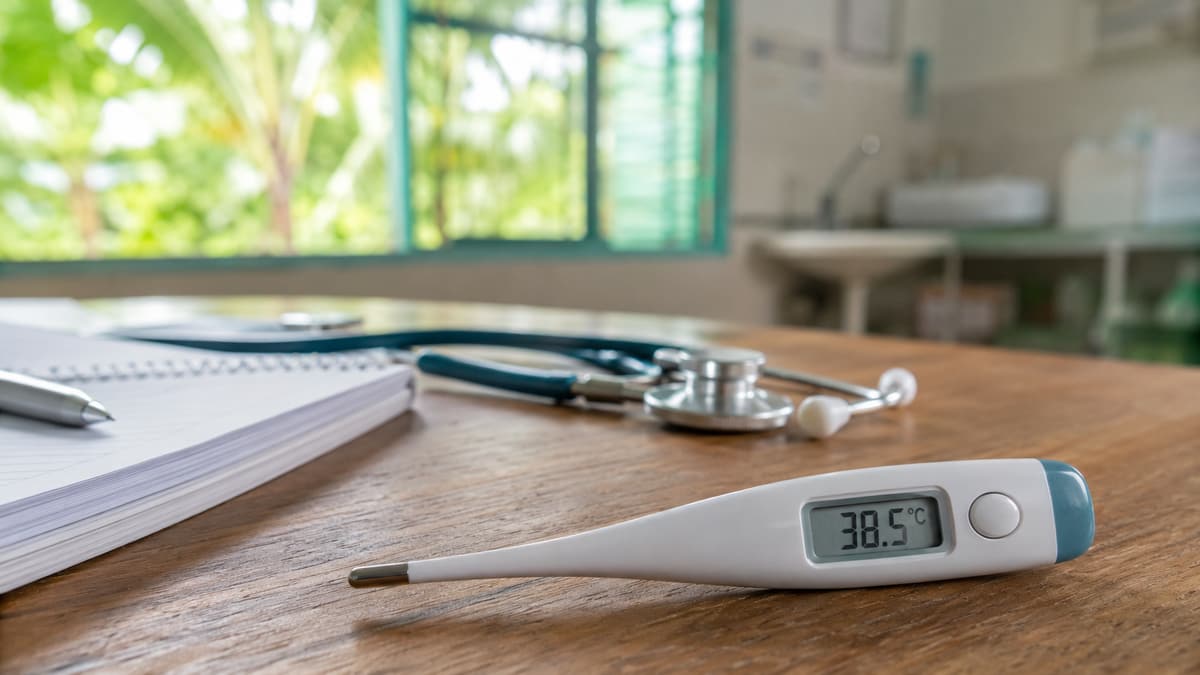
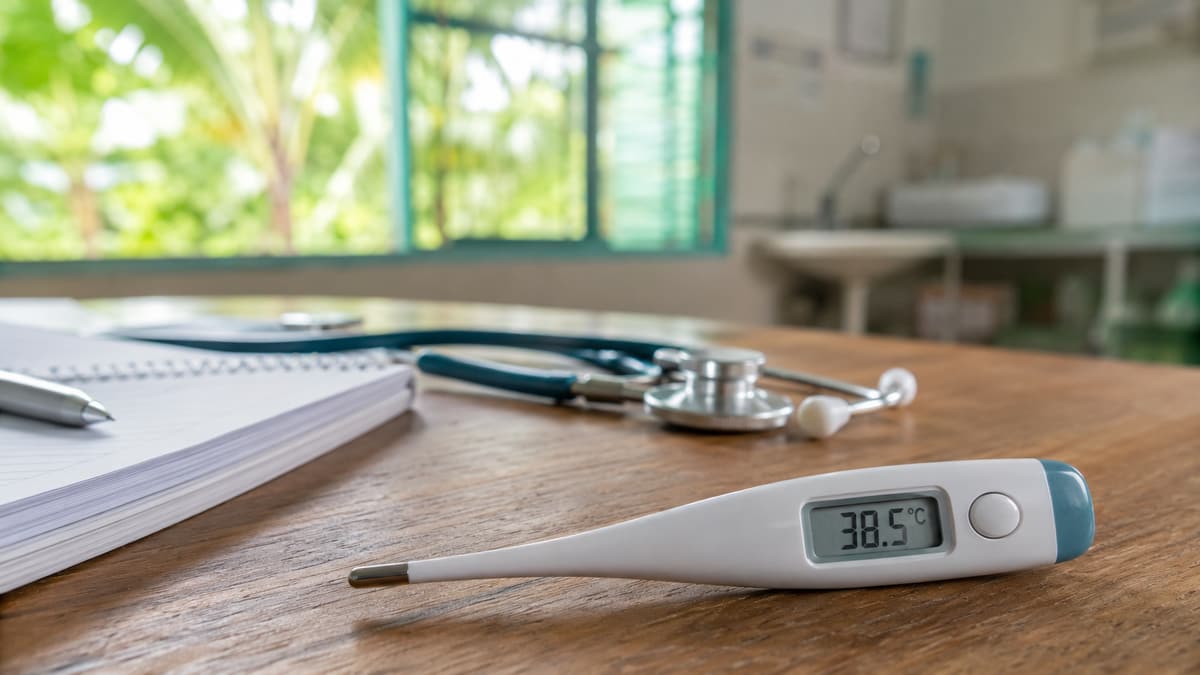
الحُمّى علامة على أن جهازك المناعي يستجيب لشيء ما — غالباً عدوى فيروسية أو بكتيرية. الحُمّى نفسها ليست هي المشكلة؛ المشكلة هي ما يسبّبها. تُعتبر درجة الحرارة 38 درجة مئوية أو أعلى حُمّى. وأي درجة 39 مئوية أو أعلى تُعدّ مرتفعة.
الأسباب الشائعة في سريلانكا
المسبّبات الأكثر احتمالاً، بترتيب تقريبي:
- عدوى فيروسية في الجهاز التنفسي العلوي — مثل نزلة البرد، لكن المناخات الاستوائية والحافلات المزدحمة تجعل التقاطها أسهل. التهاب الحلق، السعال، سيلان الأنف، وحُمّى خفيفة لمدة يومين أو ثلاثة.
- حُمّى الضنك — راجع مقالنا المنفصل. بداية مفاجئة، حُمّى مرتفعة، آلام شديدة في الجسم، وغالباً طفح جلدي لاحقاً. يستحق الفحص إذا استمرّت حُمّاك أكثر من يومين دون سبب واضح.
- التهاب المعدة والأمعاء البكتيري — إذا صاحب الحُمّى إسهال وألم في البطن.
- التهاب المسالك البولية — حرقان عند التبوّل، تبوّل متكرّر، وأحياناً ألم أسفل البطن أو ألم في الظهر.
- التهابات الجلد أو الجروح — عادةً تكون واضحة من المنطقة المصابة، لكن العدوى العميقة قد تُسبّب حُمّى قبل أن يظهر الكثير على الجلد.
- حُمّى الشيكونغونيا — مشابهة لحُمّى الضنك لكن مع ألم مفصلي أكثر قد يستمرّ لأسابيع أو أشهر.
- أقل شيوعاً: التيفوئيد، داء البريميات، التهاب الكبد A، التهاب الدماغ الياباني — يستحق استبعادها في الحُمّيات المطوّلة أو الشديدة، خاصةً بعد تعرّضات معيّنة.
ماذا تفعل في المنزل
للحُمّى الخفيفة عند شخص يشعر بأنه بخير إلى حدّ معقول:
- الراحة. جسمك يستهلك طاقته لمكافحة العدوى.
- الترطيب. لترين إلى ثلاثة لترات من السوائل يومياً، وأكثر في الحر.
- باراسيتامول (paracetamol) للحُمّى والآلام. 500 مغ إلى 1 غ كل ست ساعات، بحدّ أقصى 4 غ يومياً للبالغ. إذا كانت حُمّى الضنك احتمالاً وارداً، فهذا هو المسكّن الوحيد الذي يجب أن تتناوله — لا ibuprofen، ولا aspirin.
- راقب درجة حرارتك كل بضع ساعات، ودوّن أي أعراض جديدة.
متى تراجع الطبيب
تعال لزيارتنا إذا انطبق أيّ ممّا يلي:
- حُمّى أعلى من 39 درجة مئوية
- حُمّى تستمرّ أكثر من يومين
- صداع شديد، أو تصلّب الرقبة، أو حساسية للضوء (علامات تحذير من التهاب السحايا)
- صعوبة في التنفّس، أو ألم في الصدر
- قيء مستمرّ أو عدم القدرة على الاحتفاظ بالسوائل
- تشوّش، أو نعاس، أو هياج
- نزيف من اللثة أو الأنف أو في القيء أو البراز
- ألم شديد في البطن
- طفح جلدي، خاصةً مع حُمّى تستمرّ أكثر من يوم
- انخفاض كمية البول، أو بول داكن جداً
- تشعر بأنك أسوأ بشكل ملحوظ، وليس أفضل، بعد اليوم الثاني
يمكننا فحص حُمّى الضنك، وإجراء تحاليل دم أساسية، وفحصك للبحث عن المصادر الأكثر احتمالاً، وبدء العلاج عند الحاجة. معظم الحُمّيات الاستوائية عند المسافرين تتبيّن أنها بسيطة وتُشفى بسرعة مع الرعاية الصحيحة. بعضها يحتاج إلى مراقبة أو سوائل أو مضادات حيوية. وعدد قليل يحتاج إلى الدخول إلى المستشفى، وكلما اكتشفناها مبكّراً كانت النتيجة أفضل.
ملاحظة حول حُمّى الضنك
لأن حُمّى الضنك شائعة جداً في سريلانكا، فإننا نتعامل مع أي حُمّى تستمرّ أكثر من يوم أو يومين على أنها “ضنك حتى يثبت العكس” إلى أن نستبعدها. الفحص مجرّد سحب دم بسيط ويستغرق بضع ساعات. إذا كانت النتيجة إيجابية، فإن التدبير يعتمد على المراقبة الدقيقة والسوائل — لا المضادات الحيوية، التي لا تعمل على العدوى الفيروسية.
هذا المقال معلومات صحية عامة وليس بديلاً عن الاستشارة الطبية. الحُمّى المرتفعة أو المستمرّة تحتاج إلى تقييم.
مقالات ذات صلة
الأمراض الشائعة
نزلات البرد والإنفلونزا في سريلانكا: التعامل مع أمراض الجهاز التنفسي أثناء السفر
انسداد الأنف والتهاب الحلق في Arugam Bay عادة ما يكونان مجرد نزلة برد. إليك كيفية التمييز بينها وبين شيء أكثر خطورة، وكيفية علاجها بسرعة.
7 دقيقة قراءة
الأمراض الشائعة
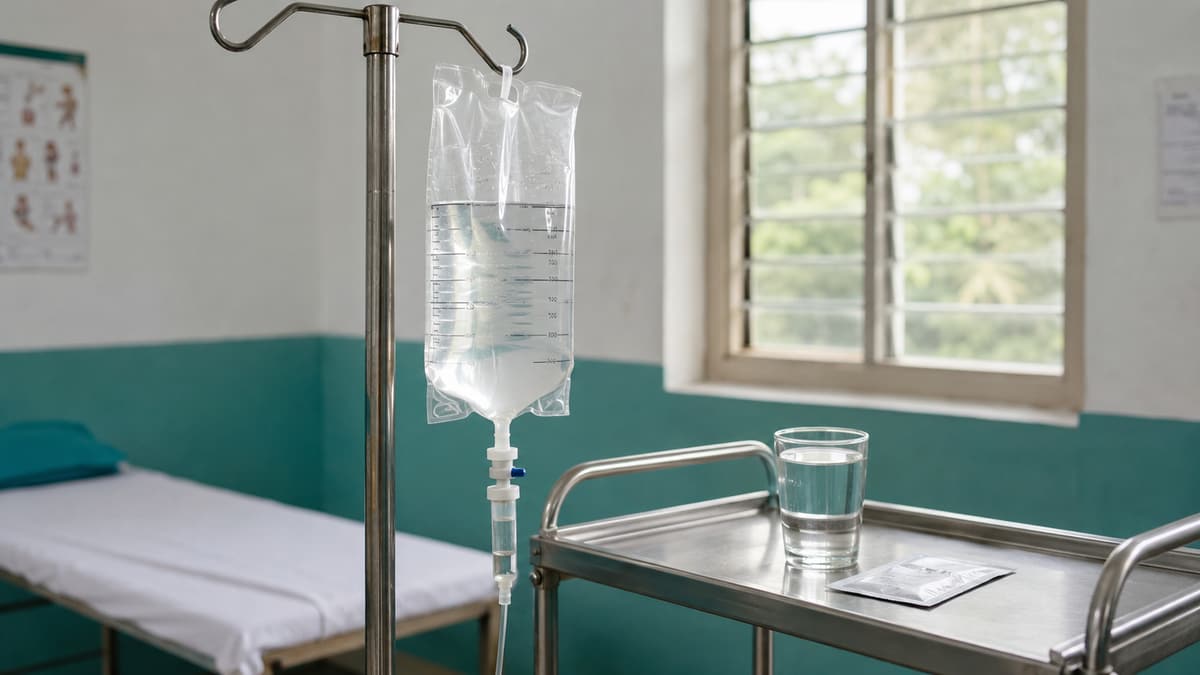
الجفاف في المناطق الاستوائية: أملاح الإماهة الفموية ومتى تحتاج إلى محلول وريدي IV
الحرارة وركوب الأمواج ونزلات المعدة تصيب المسافرين بالجفاف بسرعة في سريلانكا. تعلّم كيف تعيد الإماهة بشكل صحيح، ومتى لا تكفي الأملاح الفموية فتحتاج إلى محلول وريدي.
7 دقيقة قراءة
الأمراض الشائعة
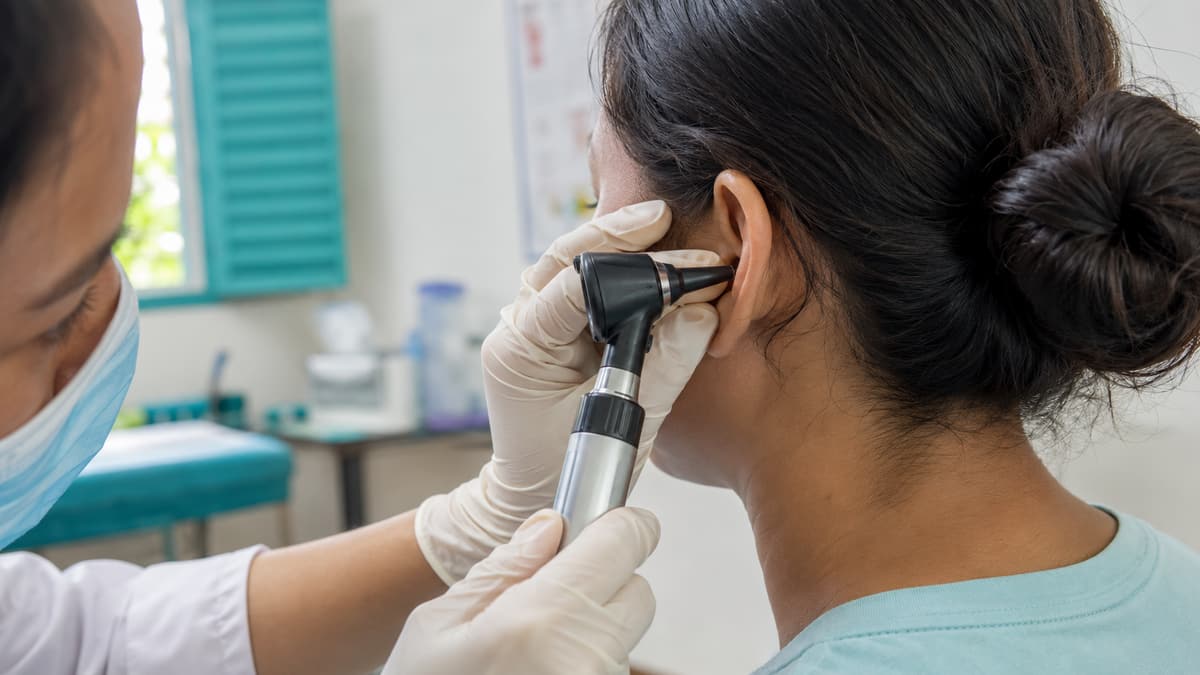
إزالة شمع الأذن في Arugam Bay: انسداد الأذن بعد ركوب الأمواج
أذن مسدودة ومكتومة بعد ركوب الأمواج أو السباحة في Arugam Bay؟ نزيل شمع الأذن بأمان ونفحص وجود التهاب في اليوم نفسه. إليك ما يحدث وما يجب تجنّبه.
5 دقيقة قراءة